
TL;DR: Vietnam high speed rail investment reached a new milestone this week as Vingroup's rail unit, VinSpeed, proposed a 5.6 billion USD line linking Hanoi and Quang Ninh at a design speed of 350 kilometers per hour. The project includes 9 river bridges and 11 elevated crossings, and signals a broader wave of Vietnam high speed rail investment that data and infrastructure teams should start tracking now.
CafeF reported on August 29, 2026, that VinSpeed, the rail investment arm of Vingroup, has proposed what it calls Vietnam's largest ever high speed rail line, a 5.6 billion USD project connecting Hanoi and Quang Ninh. The proposal calls for a design speed of 350 kilometers per hour, along with 9 bridges crossing rivers and 11 elevated viaducts crossing existing railway lines, making it one of the most ambitious pieces of Vietnam high speed rail investment announced to date.
VinSpeed also said it plans to invest in 16 train sets, including spares, each made up of 7 to 8 carriages with a capacity of more than 600 passengers per train. For a country still building out its high speed rail network, this scale of Vietnam high speed rail investment is a signal worth watching closely, both for what it says about capital availability and for the data and permitting work it will generate.
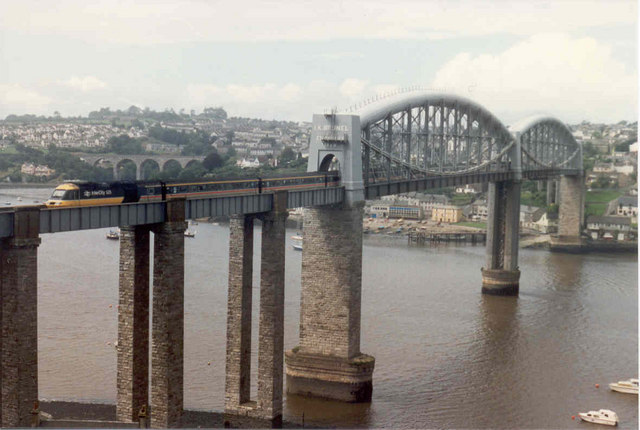
Why Is This Vietnam High Speed Rail Investment So Significant?
A 5.6 billion USD proposal is large by any measure, but the significance of this Vietnam high speed rail investment goes beyond the headline number. A 350 kilometer per hour design speed would put the Hanoi to Quang Ninh line among the faster high speed rail corridors announced anywhere in Southeast Asia, and the 9 river bridges plus 11 elevated crossings point to a route engineered to avoid at grade conflicts with existing rail and road traffic.
That kind of Vietnam high speed rail investment also tends to pull other capital along with it. Land near planned stations typically sees faster development activity, logistics operators begin planning around new freight and passenger capacity, and local governments along the corridor start updating zoning and land use plans well before construction begins.
What Will VinSpeed's High Speed Rail Line Actually Include?
Beyond the headline 5.6 billion USD figure, CafeF's report lays out concrete engineering details behind this Vietnam high speed rail investment: 9 bridges built specifically to cross rivers along the route, and 11 elevated viaducts built to cross over existing railway lines rather than at grade. Both choices add cost but reduce long term disruption to existing rail traffic and river navigation.
On the rolling stock side, VinSpeed plans to invest in 16 train sets, including spares held in reserve, with each set made up of 7 to 8 carriages carrying more than 600 passengers. That combination of civil works and rolling stock is what turns a Vietnam high speed rail investment announcement into a project with a fairly concrete operational shape, even before a final construction timeline is confirmed.
What Does This Mean for Businesses Tracking Vietnam Infrastructure?
For real estate developers, logistics firms, and construction suppliers, a project of this size is worth mapping against existing land and infrastructure data well before ground is broken. Vietnam high speed rail investment on this scale tends to reshape land values along the corridor months or years ahead of the first train running, so businesses that track parcel level land data and station locations early are better positioned to plan around the route.
DataCore's Cadastral Services product gives teams a searchable view of Vietnamese land and parcel data, useful for mapping how a major Vietnam high speed rail investment like the Hanoi to Quang Ninh line is likely to affect land near planned stations and crossings. Pairing cadastral data with verified company records also helps identify which construction and logistics companies are best positioned to bid into a project of this scale.
Frequently Asked Questions
Quick answers on this Vietnam high speed rail investment announcement reported August 29, 2026.
How much is VinSpeed's proposed Vietnam high speed rail investment worth?
CafeF reported the project at 5.6 billion USD, describing it as Vietnam's largest ever high speed rail proposal, connecting Hanoi and Quang Ninh at a design speed of 350 kilometers per hour.
What route will this high speed rail line follow?
The proposed line connects Hanoi and Quang Ninh, including 9 bridges crossing rivers and 11 elevated viaducts crossing existing railway lines along the corridor.
How many trains will operate on the line?
VinSpeed plans to invest in 16 train sets, including spares, with each set made up of 7 to 8 carriages and a capacity of more than 600 passengers.
Why should businesses track Vietnam high speed rail investment announcements like this one?
Large rail proposals tend to shift land values and development activity along the corridor well before construction starts, so tracking parcel level land data and company activity near the route early gives businesses a planning advantage.
DataCore's Cadastral Services product helps teams track Vietnamese land and parcel data relevant to major infrastructure moves like this Vietnam high speed rail investment. Try Cadastral Services to see how verified land data can support planning around new infrastructure corridors.
Sources
- CafeF, "Siêu đường sắt tốc độ cao 5,6 tỷ USD chưa từng có của Việt Nam do Vingroup đầu tư," August 29, 2026, cafef.vn
- DataCore, Vietnam Land Data 2026: The Proven Fix for Fair Pricing
- DataCore, Vietnam Stock Market Upgrade: A Remarkable 2.2 Billion USD FTSE Milestone






Để lại một bình luận
You must be logged in to post a comment.