
TL;DR: Artificial intelligence has moved fast since 2020, from OpenAI's GPT-3 to Anthropic's Fable 5 in 2026. Benchmarks keep climbing, but the more interesting question is not how capable artificial intelligence has become - it is what kind of work still requires human judgment.
In 2020, OpenAI released GPT 3, along with the paper “Language models are few-shot learners”, which explains in detail the architecture design and how the model’s training process differs from its predecessors. While earlier approaches relied on fine-tuning pre-trained models against task-specific datasets, which contained large numbers of labeled examples, GPT-3 took a different route: it was scaled up to 175 billion parameters and applied to downstream tasks without any gradient updates, yet still performed strongly across most NLP benchmarks. Notably, the authors reported that human evaluators struggled to tell GPT-3's generated news articles apart from ones written by people.
From GPT-3 to Fable 5: how did we get here?
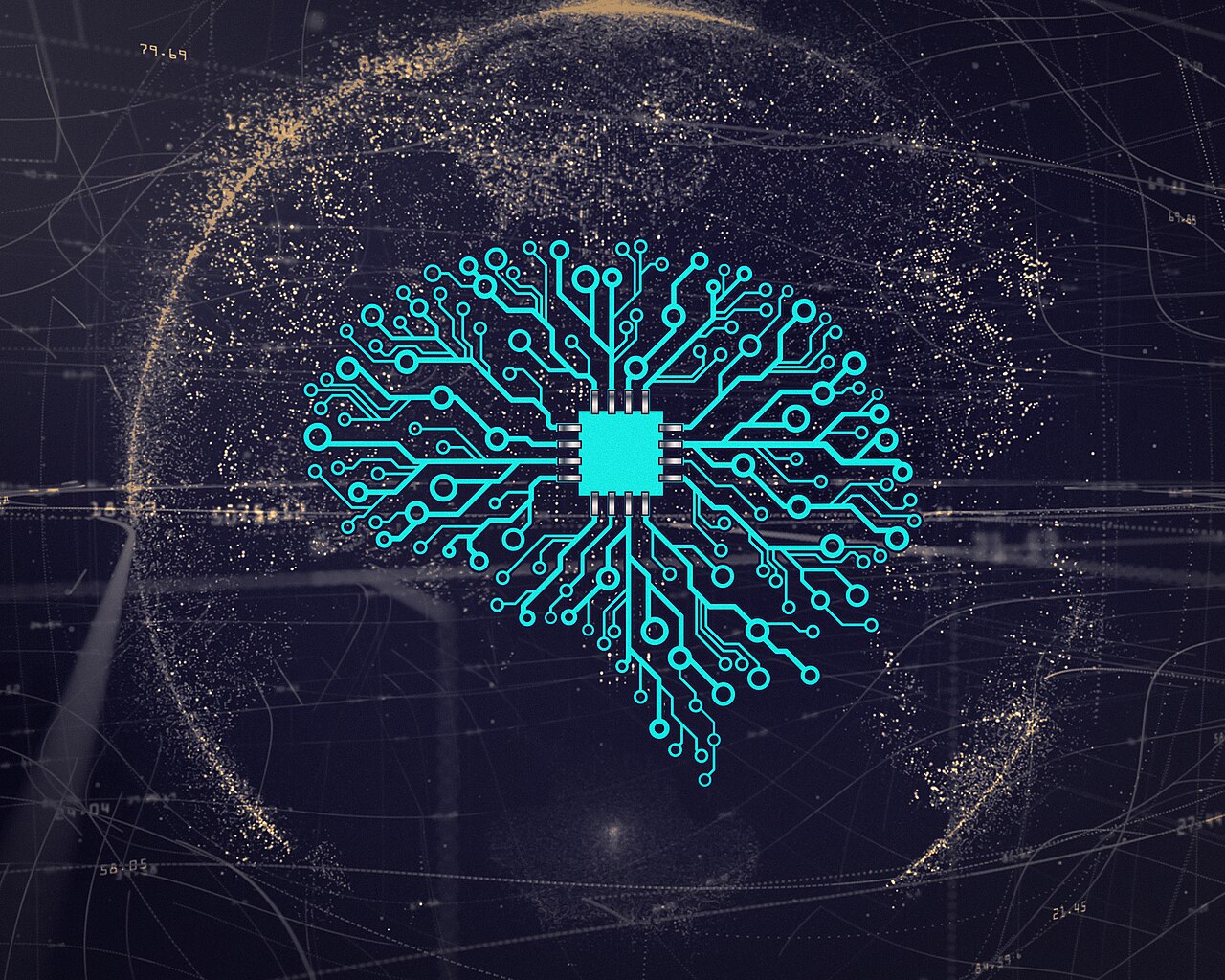
Methodologically, the authors adopted a transformer-based architecture and trained a series of models spanning 125 million to 175 billion parameters in order to study how performance scales with size. Evaluation was carried out under three regimes: few-shot, where the model receives a task description along with several demonstrations; one-shot, where only a single demonstration is given; and zero-shot, where the model sees nothing but a natural-language instruction. Following this success, GPT-3 became a widely recognized generative model and a substantial commercial success.
Fast forward to 2026. Anthropic has since released Claude Opus 5, and now Fable 5, among the most capable models the public has yet had access to. Anthropic has not published the theory or architecture behind it, but it seems reasonable to assume that Fable 5 builds on several of the directions OpenAI gestured toward in 2020 - namely, that gains over already-impressive systems like GPT-3 would come from reinforcement learning on human feedback, multimodal training, and, inevitably, ever-larger datasets and parameter counts. Across tasks demanding complex reasoning - from solving mathematical problems to reconstructing a mobile application's source code from nothing but a screenshot - Fable 5 posts results at or above the strongest published benchmarks.
How capable is artificial intelligence today?
Just as GPT-3 surfaced a host of social and commercial dilemmas - most visibly, how an ordinary reader is supposed to distinguish a legitimate news story from a synthetic and potentially harmful one - Fable 5 poses a problem that is as much philosophical as technical: what kind of work is left for humans to do, and what do we mean by intelligence in the first place?
Jean Piaget offered one answer worth returning to: "intelligence is not what you know, it's what you do when you don't know". By that definition, the picture becomes clearer. No human can accumulate as much knowledge as a large language model, but confronting genuinely novel problems - the ones that demand judgment rather than recall - remains distinctly human territory. That shift already shows up in how companies plan hiring around AI agents. Consider the work of understanding a market: identifying who your potential customers actually are, separating what they want from what they need, and then building something that addresses the real pain point rather than the stated one. That is a task no model can currently do on its own.
What is left for humans to do?
Sources:
Anthropic’ announcement: “Claude Fable 5 and Claude Mythos 5”: https://www.anthropic.com/news/claude-fable-5-mythos-5
Frequently asked questions
What was GPT-3?
GPT-3 is the 175-billion-parameter language model OpenAI introduced in 2020 in the paper "Language models are few-shot learners," described in Advances in Neural Information Processing Systems 33 (2020): 1877-1901.
What is Fable 5?
Fable 5 is a large language model released by Anthropic in 2026, announced alongside Claude Mythos 5, that performs at or above the strongest published benchmarks on complex reasoning tasks.
Does artificial intelligence replace human judgment?
No. Work that demands judgment, such as understanding a market or separating what customers want from what they need, remains distinctly human territory that no model currently does on its own.
Brown, Tom, et al. "Language models are few-shot learners." Advances in neural information processing systems 33 (2020): 1877-1901.
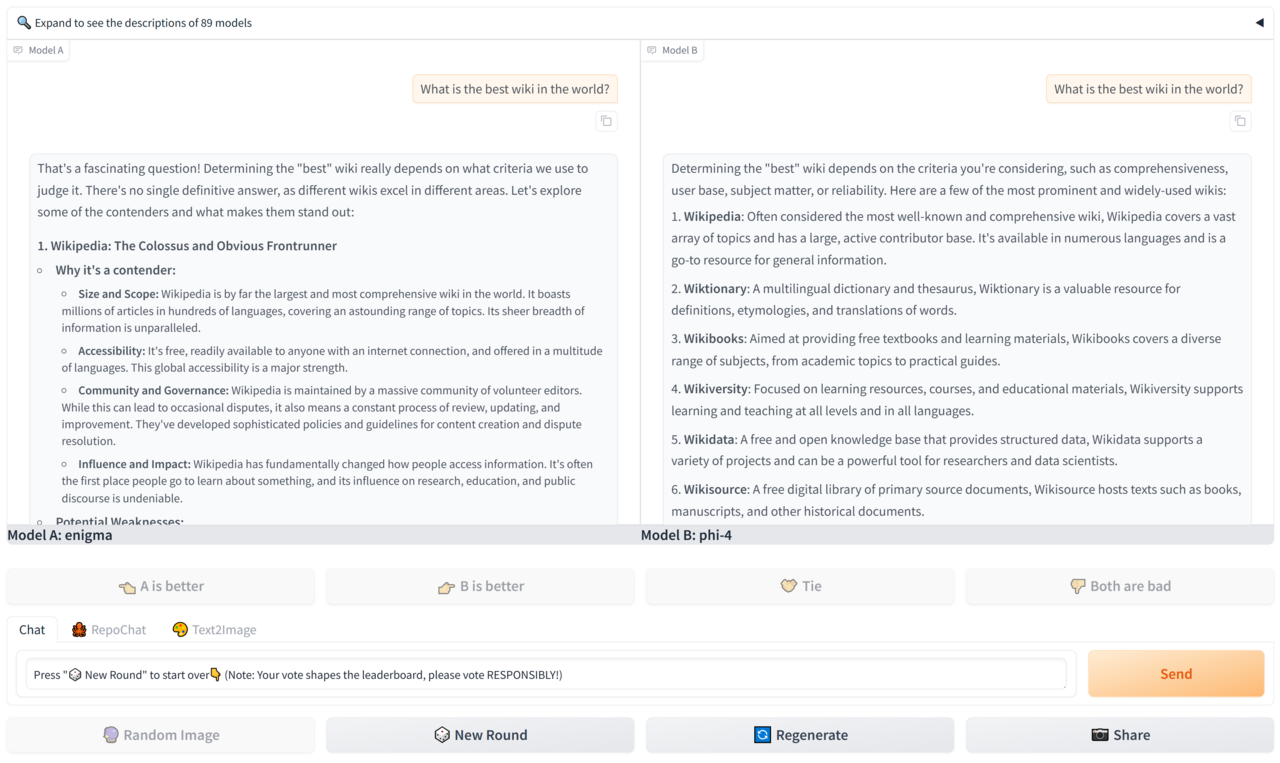
Curious how the latest AI models actually compare? Check DataCore's AI Leaderboard, a free, real time ranking of frontier AI models updated continuously.
Want to see live, up-to-date AI model rankings? Check DataCore's AI Leaderboard.






Để lại một bình luận
You must be logged in to post a comment.