A Subtle Shift Most Organizations Are Missing
Rankings are everywhere. Companies are ranked. Regions are ranked. Universities, suppliers, cities, and even individual professionals are ranked.
What is changing is not the existence of rankings, but how they are being used.
Across finance, government, and enterprise decision-making, rankings are quietly moving from public-facing scoreboards to internal decision infrastructure. This shift is still under discussion, but its implications are significant.
At DataCore, we closely track how data, analytics, and institutional decision processes evolve. One of the most important trends we see today is the transformation of rankings from static lists into operational tools.
The Old Role of Rankings
Traditionally, rankings served three narrow purposes.
First, signaling. Rankings acted as reputational shortcuts, useful for marketing, branding, or public communication.
Second, summarization. They reduced complex information into a single number or position, often once per year.
Third, comparison at a distance. Users consumed rankings passively, with little ability to interrogate assumptions or drivers.
These rankings were useful, but limited. They were not designed to support ongoing decisions, risk monitoring, or strategic planning.
What Is Changing Now
Several forces are converging.
Explosion of Granular Data
Organizations now have access to firm-level, transaction-level, geographic, and network data at unprecedented scale.
Demand for Defensible Decisions
Regulators, auditors, and boards increasingly require explanations, not just outcomes. “Why” matters as much as “what.”
Automation of Screening and Monitoring
Procurement, credit, compliance, and investment decisions are increasingly automated or semi-automated. These systems need structured signals.
Declining Trust in Opaque Scores
Users are less willing to accept black box rankings without understanding inputs, weights, and logic.
Together, these forces are changing what rankings are expected to do.
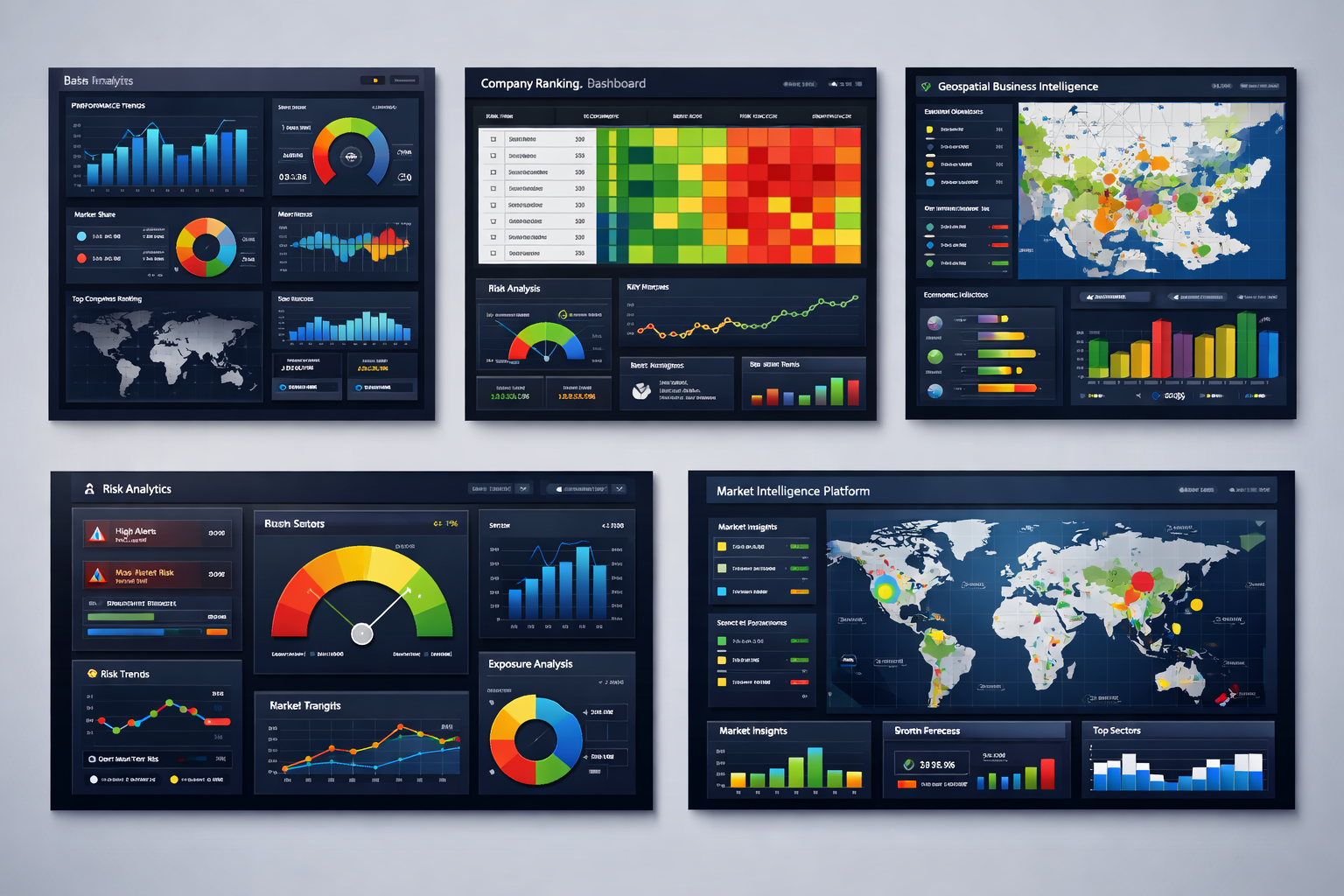
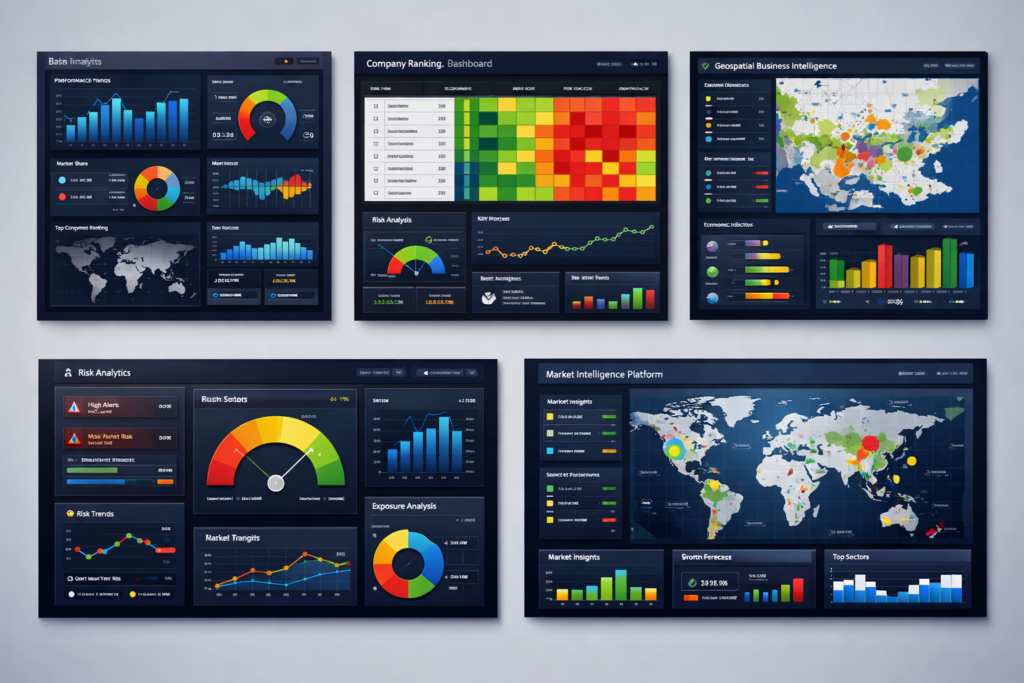
Rankings as Decision Infrastructure
The emerging role of rankings is not symbolic. It is functional.
Modern rankings are being embedded into workflows such as:
- supplier screening and procurement qualification
- counterparty and credit risk assessment
- regional exposure analysis
- compliance and integrity monitoring
- strategic benchmarking and prioritization
In these contexts, rankings are no longer the final output. They are interfaces between raw data and decisions.
This changes the bar. Rankings must now be transparent, updatable, auditable, and adaptable to context.
Why This Matters for Organizations
Organizations that still treat rankings as static reports face three risks.
First, lagging signals. Annual rankings react too slowly to operational or risk changes.
Second, false confidence. Opaque scores can hide fragile assumptions.
Third, missed leverage. Rankings that cannot be decomposed cannot guide improvement or intervention.
In contrast, organizations that rethink rankings as analytical systems gain earlier warnings, clearer trade-offs, and better governance.
Where This Trend Is Headed
Looking forward, several developments are likely.
- Rankings will increasingly be customizable, not universal.
- Rankings will become dynamic, updating as data changes.
- Rankings will be paired with diagnostics, not just positions.
- Rankings will be evaluated like models, not publications.
This evolution mirrors what happened earlier with credit scoring, risk models, and recommendation systems.
Why DataCore Is Paying Attention
DataCore was founded on a simple observation: many critical decisions rely on rankings, yet the underlying logic is often outdated.
Before building tools, it is essential to understand how institutions actually use information, how trust is built, and where current approaches break down.
This is why we focus first on frameworks, governance, and analytical principles. Products follow strategy, not the other way around.
Final Thought
Rankings are no longer just about who is number one.
They are becoming compressed representations of economic reality, embedded directly into how decisions are made.
Organizations that recognize this shift early will shape the standards. Those that ignore it will inherit them.
Related reading: Vietnam Bank Executive Turnover Data: What Eximbank's CEO Exit Signals for 2026 and Vietnam Margin Trading Restrictions: 57 Stocks Cut in August Even as Foreign Capital Surges.
Want reliable Vietnam business data to power decisions like this? Try DataCore's Company Intelligence.