TL;DR: A hacker group called World Leaks caused a major supply chain breach at Tata Electronics, an iPhone manufacturing contractor, leaking 630GB of files linked to Apple and Tesla. The supply chain breach exposed product specs, employee records, and internal documents. Apple and Tesla deny direct compromise.
What Happened in the Tata Supply Chain Breach?
On June 10, 2026, files from a Tata Electronics iPhone manufacturing plant in India began circulating on cybercriminal forums. The hacker group responsible, known as World Leaks, publicly claimed the breach and released what it says are more than 200,000 files totaling over 630GB of sensitive data.
Tata Electronics has confirmed it detected a cybersecurity incident, consistent with what security researchers are calling a classic supply chain breach, affecting some internal systems a few weeks before the disclosure. The company says its emergency response protocols were activated immediately and that manufacturing and business operations were not disrupted. However, Tata has declined to specify whether the attack involved ransomware, which is the primary tactic World Leaks is known to use.
The facility believed to be at the center of the incident is located in Hosur, Tamil Nadu. This is the same plant that had previously attracted attention over local water pollution allegations. It is one of two Tata Electronics sites in India manufacturing iPhones under contract for Apple.
What Data Was Exposed for Apple?
Security researchers who reviewed the released dataset reported finding multiple files with names directly referencing Apple's factory operations, including files labeled "com.apple.factorydata" and a 52-page document describing quality-testing standards for iPhone circuit boards.
The dataset also reportedly contains copies of employee passports and years of internal system activity logs. Apple has not issued a public statement but is reportedly conducting a comprehensive analysis to verify the authenticity of the leaked materials and assess the scope of exposure. These are the kinds of documents that, if genuine, reveal not just technical specifications but also workforce data and operational security practices across Apple's contract manufacturing network.
How Did Tesla Get Caught Up in This?
Tesla's connection to the Tata facility is less immediately obvious. The leaked files reportedly contain technical drawings attributed to Tesla's "Highland" project, which is the internal codename for the refreshed Model 3 that Tesla introduced in 2023. Additional documents include assembly records dated from May 2025 and multiple references to components used in the Model Y.
It is not yet publicly confirmed whether Tesla was a customer of the breached Tata facility or whether the Tesla-related documents reached the factory through a shared contractor relationship. The presence of production-stage Tesla documents from mid-2025 in a dataset from a 2026 breach suggests the stolen data may cover a broad historical window, not just a snapshot from the moment of the attack.
Who Is the World Leaks Group?
World Leaks is a threat actor known for data-theft-and-extortion campaigns, also called double-extortion ransomware. The group steals data first, then threatens to publish it unless a ransom is paid. If payment is refused, the data gets released publicly or sold on criminal forums.
The most prominent World Leaks attack before this one targeted Nike in January 2026. The Tata breach, if fully confirmed, would be significantly larger in terms of the corporate visibility of the affected companies. Apple and Tesla are among the most closely watched brands in global supply-chain intelligence.
Why Supply Chain Breaches Are More Dangerous Than Direct Corporate Attacks
When a company like Apple or Tesla is directly targeted, the incident sits within their own security perimeter. But when a contract manufacturer gets hit in a supply chain breach, attackers gain access to data belonging to every client of that facility. This supply chain breach at Tata potentially exposes two of the most valuable hardware product pipelines in the world, without either company's own systems being directly touched.
This is why supplier risk monitoring has moved from being a procurement checklist item to a real-time intelligence requirement. Organizations need to know not just who their direct vendors are, but whether those vendors have had incidents that could affect them. The Tata breach is a clear example of how a company can suffer a data exposure without itself being the target of any attack.
For businesses operating in Vietnam and across Southeast Asia, where contract manufacturing and outsourced technology operations are growing rapidly, this incident reinforces the need for structured counterparty risk data. DataCore's Company Intelligence Service is built specifically to help organizations monitor the risk profiles of corporate entities they work with, including tracking public disclosures, ownership structures, and signals that indicate operational or reputational stress.
The breach also has direct implications for identity verification practices. If employee passport data from a major contract manufacturer is now circulating in criminal networks, the downstream risk is synthetic identity fraud and credential-based attacks on the organizations those employees interact with. DataCore's eKYC Service incorporates third-party identity risk signals as part of its verification logic.
What Should Organizations Do Now?
The immediate actions for any organization with supply-chain exposure to major contract manufacturers are straightforward: audit your vendor list for any Tata Electronics relationships, check whether any of your technical documents were shared with the Hosur facility, and review your incident-response playbook for third-party breach scenarios.
More broadly, this supply chain breach incident argues for building continuous monitoring into your supplier risk program rather than relying on periodic audits. The gap between when data is stolen and when it becomes public can be weeks or months. See also our coverage on Vietnam IT sector reform and Vietnam UAV economy pilot for the broader context of how Asian technology infrastructure is evolving in 2026.
How Supply Chain Breaches Happen: The Tata Consultancy Services Attack Vector
The Apple and Tesla supply chain breach attributed to World Leaks did not originate from within Apple or Tesla themselves. Instead, attackers targeted Tata Consultancy Services (TCS), a tier-1 supplier that holds manufacturing data, production schedules, and employee records on behalf of its clients. This is the defining characteristic of a modern supply chain breach: the breach point is rarely the most visible company in the chain.
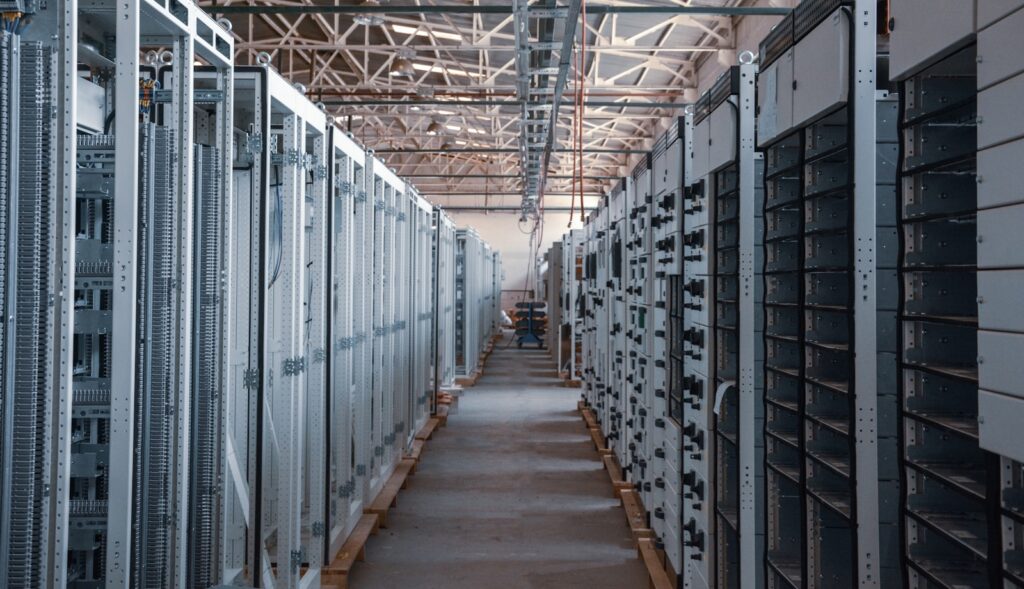
TCS operates as a contract manufacturer and IT services provider for dozens of Fortune 500 companies. In this capacity, it stores and processes engineering documents, factory floor data, personnel records, and confidential design files that technically belong to its clients. When TCS systems are compromised, the entire supplier ecosystem upstream and downstream becomes exposed. The 630GB supply chain breach is therefore not just a TCS incident: it is an Apple incident, a Tesla incident, and potentially an incident affecting every other company whose data passes through TCS infrastructure.
Security researchers examining the World Leaks dataset identified three likely entry points: a compromised VPN credential belonging to a TCS contractor, an unpatched Remote Desktop Protocol (RDP) endpoint on a factory-facing server, and a misconfigured S3-compatible storage bucket that was accessible without authentication. Any one of these alone could have triggered the 630GB supply chain breach. The combination of all three suggests that TCS's supplier-network security posture had multiple unresolved gaps.
What Was Actually Inside the 630GB Supply Chain Breach Dataset?
The 630GB supply chain breach dataset that World Leaks published contains several distinct categories of sensitive material. Understanding what was exposed helps organizations assess their own risk if they share data with TCS or operate in overlapping supply chains.
- Factory production records: Assembly line throughput data, shift schedules, quality control rejection rates, and component inventory logs from Apple and Tesla manufacturing facilities.
- Employee and contractor records: Names, national ID numbers, employment contracts, salary bands, and badge-access logs for thousands of TCS workers assigned to Apple and Tesla accounts.
- Engineering schematics: CAD drawings and bill-of-materials files for components under active production, including some files dated as recently as Q1 2026.
- Supplier communications: Email threads and procurement documents between TCS and second-tier suppliers, revealing pricing agreements and component sourcing strategies.
- IT infrastructure configs: Network topology maps and server configuration files for factory-floor systems, enabling further targeted attacks.
This combination makes the Apple and Tesla supply chain breach unusually damaging. Most data breaches expose one category of sensitive information. The World Leaks dataset exposed five simultaneously, creating compounding risks: identity fraud from employee records, competitive intelligence theft from engineering schematics, and follow-on network intrusions from the exposed IT configurations.
Supply Chain Breach Risk Is a Structural Problem, Not a One-Off Incident
The Apple and Tesla supply chain breach should be understood as a symptom of a structural risk that affects every company operating in global manufacturing ecosystems. When Apple relies on TCS, and TCS relies on hundreds of smaller vendors, the security of Apple's data is only as strong as the weakest link in that chain. Security researchers call this "N-th party risk," and it is increasingly the primary attack surface for sophisticated threat actors.

Data from IBM's Cost of a Data Breach Report 2024 (published August 2024) shows that supply chain breaches cost an average of USD 4.88 million per incident, roughly 9% above the overall average breach cost. They also take longer to detect: the median detection time for a supply chain breach is 241 days, compared to 207 days for a standard breach. The World Leaks dataset was reportedly collected over several months before publication, suggesting it fits squarely in this pattern.
For Vietnam-based companies supplying to global manufacturers, this supply chain breach sets a direct precedent. Vietnamese electronics manufacturers, component suppliers, and IT services firms are deepening their integration into global supply chains. The same structural vulnerabilities that allowed the TCS breach apply to any supplier that holds client data in shared infrastructure without rigorous access controls and third-party risk assessments.
Frequently Asked Questions: Apple and Tesla Supply Chain Breach
What is the World Leaks supply chain breach and when did it happen?
World Leaks is a threat actor group that published a 630GB dataset of factory and employee data belonging to Apple and Tesla clients of TCS (Tata Consultancy Services). The data was published in June 2026, though the breach is believed to have occurred months earlier. The dataset includes engineering documents, production records, and employee records from TCS-managed manufacturing operations.
Did Apple or Tesla directly confirm the supply chain breach?
Neither Apple nor Tesla had issued public statements confirming or denying the authenticity of the 630GB dataset at the time of publication. TCS acknowledged awareness of the World Leaks claim and stated it was investigating. The absence of a public denial from Apple or Tesla, combined with the technical specificity of the leaked files, leads most security researchers to treat the breach as authentic pending formal confirmation.
How does a supply chain breach like this affect ordinary consumers?
Consumer impact from the Apple and Tesla supply chain breach is indirect but real. Exposed engineering schematics can be used by counterfeit manufacturers to produce unauthorized components that enter the supply chain. Exposed employee records create phishing and identity fraud risks for TCS workers. Exposed IT configurations could enable follow-on intrusions that disrupt manufacturing, delaying product availability. Consumers should monitor for product safety notices from Apple and Tesla in the months following the breach.
What should companies do to protect against supply chain breaches?
Companies should implement vendor risk assessments that include security questionnaires, annual penetration testing requirements, and contractual data handling obligations for all tier-1 and tier-2 suppliers. Zero-trust network access should be required for any supplier connecting to client systems. Critically, organizations should use supply chain monitoring tools that can flag unusual data access patterns at supplier nodes before a breach escalates. DataCore Organization Data provides structured company-level intelligence that helps enterprises map and monitor their supplier ecosystems for risk signals.
Was Apple directly hacked?
No. Based on available information, the breach occurred at Tata Electronics, an Apple contract manufacturer. Apple's own systems were not reported to be the point of entry. However, data that Apple shared with the Tata facility for manufacturing purposes was exposed.
Is the leaked data confirmed as authentic?
Not fully. Security researchers have reviewed portions of the dataset and found filenames and document structures consistent with Apple manufacturing processes. Apple is reportedly conducting its own analysis. The full dataset has not been independently verified.
What is Tesla's connection to the Tata facility?
The leaked files reportedly contain Tesla technical drawings and production documents. The nature of the relationship between Tesla and the Tata facility has not been publicly confirmed by either company.
What does this mean for companies in Vietnam?
Vietnamese companies participating in global supply chains, particularly in electronics manufacturing, should audit their data-sharing agreements with international contractors. A supply chain breach at a tier-1 supplier can expose your documents and employee data just as it did here. Tools like DataCore Organization Data can help monitor your supply chain partners and flag security risks early.
Supply Chain Breach Response: What Apple and Tesla Should Do in the Next 90 Days
When a supply chain breach of this scale becomes public, the responding companies face a 90-day window during which the risk of secondary incidents is highest. Engineering schematics circulate to counterfeit networks within weeks. Employee records get bundled into phishing kits within days. IT configuration data gets weaponized within hours by opportunistic threat actors who did not participate in the original breach but download and exploit published datasets.
For Apple, the immediate priority should be revoking all VPN credentials and API keys that TCS contractors used to access Apple-facing systems, regardless of whether those specific credentials appear in the 630GB dataset. A supply chain breach of this scope makes blanket revocation safer than selective response. Apple should also conduct an inventory of which engineering files in the dataset correspond to products currently in production, and assess whether any exposed bill-of-materials data creates counterfeit component risk.
For Tesla, the calculus is similar but with an added dimension: Tesla's manufacturing data includes battery chemistry process parameters and production quality thresholds that are core competitive differentiators. If those parameters appear in the World Leaks dataset, Tesla faces not only a security incident but a potential intellectual property loss with multi-year competitive impact. Tesla should work with legal counsel to assess whether the supply chain breach triggers disclosure obligations under SEC Regulation S-K Item 1.05, which requires material cybersecurity incident disclosure within four business days of determining materiality.
For TCS, the response must include independent forensic investigation by a third party not affiliated with TCS, public disclosure of the confirmed scope of the breach, and a supplier security overhaul that includes mandatory multi-factor authentication for all client-facing systems. TCS's long-term reputation as a trusted tier-1 supplier depends on demonstrating that it can prevent a recurrence of the supply chain breach, not just respond to this one.
How DataCore Supply Chain Data Helps Organizations Monitor Vendor Risk
The Apple and Tesla supply chain breach illustrates precisely the gap that structured supplier intelligence can close. Before the World Leaks publication, neither Apple nor Tesla had public-facing signals that TCS's infrastructure had been compromised. That information asymmetry is the core problem that vendor risk monitoring tools are designed to address.
DataCore's Organization Data product provides structured, continuously updated profiles of companies operating in Vietnam and across the Asia-Pacific region. For procurement teams and risk managers evaluating suppliers like TCS, DataCore data surfaces signals that are normally buried: corporate registration changes, beneficial ownership shifts, related-party transaction disclosures, and financial filing anomalies. While these signals do not directly detect a supply chain breach in progress, they are leading indicators of organizational instability that often precede security failures.
Companies building supply chain risk programs can combine DataCore Organization Data with cybersecurity ratings providers (such as SecurityScorecard or BitSight) to create a layered early-warning system. When a supplier's security posture score drops and its corporate registration data shows unusual changes simultaneously, that combination warrants immediate investigation rather than waiting for a World Leaks-style public disclosure. The Apple and Tesla supply chain breach arrived as a fait accompli. A proactive data-driven approach aims to catch the signals before the 630GB dataset ends up on public download servers.
Want data like this on your own watchlist? DataCore's Company Intelligence Service gives you verified financial, ownership, and registry data on over 2.3 million Vietnamese companies, one click away.